


-

Add: HeBei ShengShi HongBang Cellulose Technology CO.,LTD.
-

Email
13180486930@163.com -

CONTACT US
+86 13180486930






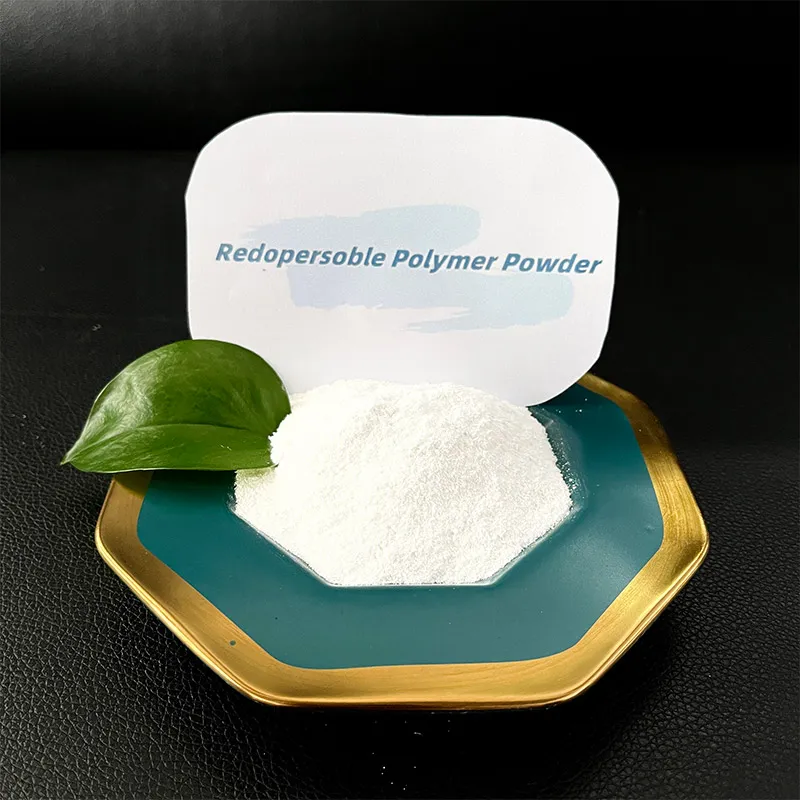
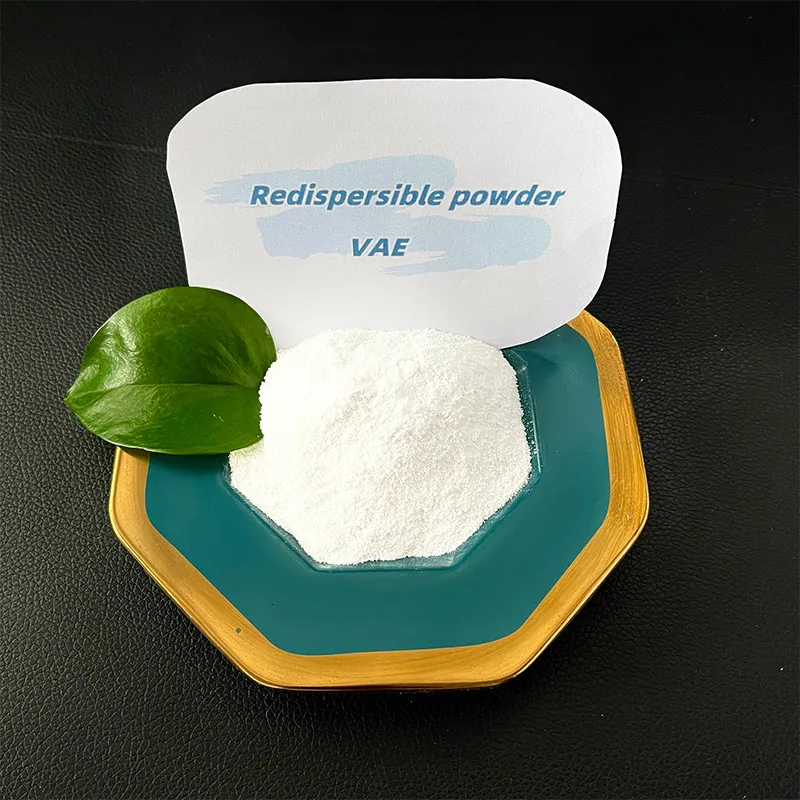
Polymer powder is a key ingredient in many industries, providing critical properties to products in construction, adhesives, coatings, and more. With its wide range of applications, polymer powder enhances the performance, durability, and flexibility of finished products. Available in various forms, polymer powder s can be tailored to meet the specific needs of different applications, making them a versatile choice for manufacturers worldwide. Whether you're working in construction, paints, or textiles, polymer powder offers the ideal solution for improving your products’ functionality. Explore Our Range of Colored Polymer Powder If you need vibrant, long-lasting colors in your products, colored polymer powder is the way to go. Whether you're producing construction materials, decorative coatings, or consumer goods, colored polymer powder offers an efficient way to introduce rich, stable colors into your products. Our premium colored polymer powder is designed to maintain its brightness and consistency, ensuring your products stand out. With a wide selection of shades, you can achieve the exact color you need while maintaining high quality and performance. The Benefits of Redispersible Polymer Powder Redispersible polymer powder is a game-changer in many industrial applications. Unlike traditional resins, redispersible polymer powder can be re-dispersed in water to create a solution, which offers greater convenience and efficiency for various processes. Widely used in adhesives, tile grout, and plaster, redispersible polymer powder enhances bonding strength, flexibility, and durability. This type of polymer powder is particularly valued in the construction and building materials sectors, providing superior performance while reducing transportation and storage costs. Discover the many benefits of using redispersible polymer powder in your formulations today. What Influences Polymer Powder Price? When considering polymer powder price , it’s important to understand the factors that affect the cost. The polymer powder price can vary depending on the type of polymer used, the quantity purchased, and the specific application for which the powder is intended. High-performance polymer powder may be priced higher due to its specialized formulations, while larger orders typically reduce the cost per unit. Additionally, polymer powder price can also depend on the presence of additives, colorants, and whether the polymer powder is customized for particular applications. To ensure you're getting the best value for your needs, always consider both the performance and the cost-effectiveness of the polymer powder price . Why Choose Our Polymer Powders for Your Business? Our polymer powder products are crafted with the highest standards of quality and performance, ensuring that your manufacturing processes run smoothly. From colored polymer powder to redispersible polymer powder , we offer a comprehensive selection that suits a wide variety of industries. Our polymer powder solutions are designed to enhance the quality of your final products, increase production efficiency, and offer cost-effective solutions for your business. With competitive polymer powder price s, we guarantee the best value for your investment. Whether you need a specialized formula or a standard polymer powder , our products are the perfect addition to your production line. Polymer Powders FAQs What is polymer powder? Polymer powder is a fine, dry material made from polymers, typically used in various industrial applications to improve the properties of products like adhesives, coatings, and construction materials. It is valued for its ability to enhance flexibility, strength, and durability in the final product. Polymer powder can come in different types, such as colored polymer powder or redispersible polymer powder , each serving specific functions depending on the industry. What is colored polymer powder used for? Colored polymer powder is primarily used to add vibrant colors to products such as construction materials, coatings, and consumer goods. The color pigments are stable and long-lasting, ensuring that the final product maintains its color over time, even under challenging conditions. It’s ideal for applications where both color and performance are important, making it perfect for industries like construction, automotive, and packaging. What is redispersible polymer powder and how is it used? Redispersible polymer powder is a special type of polymer powder that can be re-dispersed in water, forming a solution that can be easily applied in a variety of industrial processes. It’s commonly used in adhesives, tile grouts, and plaster, where it improves bonding strength, flexibility, and water resistance. The ability to re-dispense the polymer powder in water makes it a more convenient and cost-effective solution for many manufacturing processes. How does the polymer powder price vary? The polymer powder price depends on several factors, including the type of polymer used, the quantity purchased, and whether any special additives or colors are involved. Specialty redispersible polymer powder sand colored polymer powder s often come at a higher price due to their advanced formulations. Additionally, larger volume purchases can reduce the polymer powder price per unit, offering better cost-effectiveness for bulk orders. Why should I choose your polymer powders? Our polymer powder sare craftedto meet the highest standards of quality, ensuring that your products perform at their best. We offer a wide selection of colored polymer powder s and redispersible polymer powder s, all designed to enhance the durability, flexibility, and performance of your products. Our polymer powder price is competitive, offering you the best value for your investment. Whether you’re in construction, coatings, or any other industry, we have the perfect polymer powder solution for you.
- 40000tons

Production
- 20+years

Experience
- 5000+㎡

Acreage

-
HPMC 5 cps는 최근 다양한 산업에서 중요한 역할을 하고 있는 성분으로, 특히 제약 및 식품 분야에서 그 중요성이 날로 증가하고 있다. 이 제품에 대한 이해는 관련 전문가들뿐만 아니라 소비자들에게도 유익한 정보를 제공한다. 이 기사에서는 HPMC 5 cps의 유용성, 사용 사례 및 그 중요성에 대해 깊이 있는 정보를 제공하고자 한다. HPMC(Hydroxypropyl Methylcellulose)는 식물성 소재로부터 유래한 비이온성 셀룰로스 에테르다. 그 중에서도 HPMC 5 cps는 점도 특성을 기준으로 분류된 제품으로, 다양한 응용 분야가 있다. 점도는 cps(centipoise) 단위로 측정되며, 다소 낮은 점도의 HPMC 5 cps는 특정 응용 분야에서 요구되는 특성을 충족할 수 있다. 전 세계적으로 여러 제약 회사들은 HPMC 5 cps를 코팅 및 제형 설계에 광범위하게 활용하고 있다. 이 제품은 매우 투명한 필름을 형성하여 약물의 산화 및 열로 인한 변질을 방지할 수 있다. 또한, HPMC 5 cps는 무미 무취의 특성을 지녀 약물의 복약 순응도를 높여준다. 물에 쉽게 용해되며 안정적인 필름 형성을 통해 다양한 제형에서 약물 방출 제어에 중요한 역할을 한다. 식품 산업에서도 HPMC 5 cps는 다양한 용도로 사용된다. 이 제품은 식품의 질감 개선, 유지 및 보존력 향상을 돕는다. 특히, 저칼로리 및 식이섬유 보강 식품의 개발에 있어서 중요한 성분으로 활용될 수 있다. HPMC 5 cps는 식물성 기반의 식재료로, 비건 및 채식주의자들에게도 적합하다. 또한, 글루텐 프리 베이킹에서 탄력성과 구조를 제공하는 역할을 함으로써 제품의 품질을 향상시킨다. HPMC 5개의 CPS HPMC 5 cps는 건축용 재료로도 주목받고 있다 . 건축 산업에서는 이 제품이 건조하면서 균열이나 수축을 방지하는 데 크게 기여한다. 또한, 석고보드 접착제 및 시멘트 혼합물의 작업성과 안정성을 보장한다. 이러한 특성 덕분에 건축자재의 수명을 연장하고 유지 보수 비용을 줄일 수 있는 장점이 있다. 수년간의 연구 결과, HPMC 5 cps는 인체에 무해하며, 환경적으로도 친화적인 소재임이 입증되었다. 안정성과 비활성화로 인해 다양한 응용 분야에서 믿을 수 있는 재료로 자리매김하고 있다. 이 제품은 지속 가능성을 고려한 현대 첨단 소재로, 환경에 부정적인 영향을 최소화하면서도 필요한 기능성을 충분히 발휘한다. HPMC 5 cps에 대한 신뢰성을 확보하기 위해, 제조업체들은 국제적인 표준 및 규정을 준수하며, 고품질의 제품을 제공하고자 노력하고 있다. 이로 인해 소비자들은 안심하고 이 제품을 사용할 수 있으며, 장기적으로 안전성과 성능을 보장받을 수 있다. HPMC 5 cps는 첨단 소재로서, 그 활용 범위가 매우 넓다. 이 제품의 다양성과 적용 가능성은 현대 산업에서 그 중요성을 더욱 더 높이고 있다. 그 성능과 안전성은 이미 여러 연구와 시장에서 입증되었으며, 앞으로도 다양한 분야에서 HPMC 5 cps의 잠재력은 무궁무진할 것으로 기대된다.
-
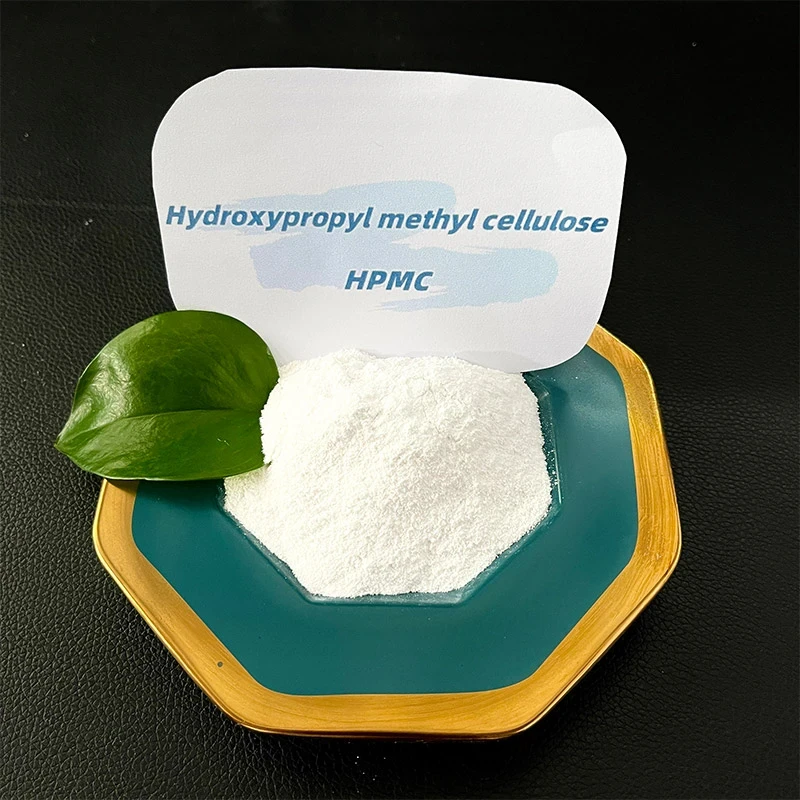
Hydroxypropyl Methylcellulose (HPMC) E5 is a versatile and essential ingredient in various industries, prized for its unique properties that enhance product formulation. As a low viscosity grade of HPMC, E5 offers a distinct set of characteristics highly valued by manufacturers. This article delves into the crucial attributes of HPMC E5, leveraging insights from industry experts and real-world applications to offer a comprehensive understanding of its benefits and usage. One of the standout features of HPMC E5 is its film-forming ability. This property is integral in the pharmaceutical industry, where HPMC E5 is commonly used as a coating agent for tablets. Its ability to form a uniform, adherent, and stable film ensures the protection of active ingredients, enhances shelf life, and improves the aesthetic appeal of tablets. The expertise of formulation scientists highlights that the use of HPMC E5 in coatings improves the swallowability and taste masking of oral dosage forms, making it a preferred choice among pharmaceutical developers. In the realm of construction, HPMC E5 serves as an essential additive in cement-based materials. Its water retention capability prevents premature drying and assures optimal curing, leading to increased strength and durability of the final product. Construction professionals underline that the inclusion of HPMC E5 in mortar formulations results in enhanced workability and open time. This facilitates easier application and adjustment of tiles or other construction components, minimizing waste and improving finish quality. The adhesive industry also benefits from the unique properties of HPMC E5 . The compound's thickening and rheology modification abilities enable the production of adhesives with superior stability and consistency. As experts in adhesive chemistry attest, HPMC E5 improves the bonding capacity and mechanical strength of adhesives, providing reliable performance across different substrates and environmental conditions. This versatility makes it an indispensable ingredient in formulating both household and industrial adhesives. hpmc e5 properties Personal care products, such as shampoos and creams, often incorporate HPMC E5 due to its excellent emulsification and stabilization properties. Cosmetologists and personal care formulators value HPMC E5 for its ability to maintain the integrity and homogeneity of creams and lotions. Its non-ionic nature ensures compatibility with various active ingredients, allowing for innovative formulations that cater to diverse consumer needs. Furthermore, HPMC E5’s gentle nature and lack of irritancy make it suitable for sensitive skin products, thus broadening its applicability in the cosmetics industry. From an expert perspective, the adaptability of HPMC E5 across different formulations and industries underscores its significance. Its non-ionic and cellulose-based nature ensures environmental compatibility and safe usage, aligning with the growing consumer demand for sustainable and eco-friendly products. Manufacturers leveraging HPMC E5 can assure their clientele of high-quality, reliable, and effective products, bolstering trust and authority in their respective markets. Trustworthiness in utilizing HPMC E5 is reinforced by thorough testing and compliance with regulatory standards, which are critical for product safety and efficacy. Collaboration with experienced formulation scientists and adherence to stringent quality control measures guarantees that products incorporating HPMC E5 deliver consistent and dependable performance. In conclusion, HPMC E5 stands out due to its unique properties that serve a wide array of applications, ranging from pharmaceuticals and construction to adhesives and personal care products. Its esteemed position is further corroborated by industry expertise and practical experience, which collectively affirm its role as a high-value ingredient. By integrating HPMC E5, manufacturers not only optimize product performance but also ensure an authoritative and trusted presence in their sectors.
advantages
-

200000 Viscosities
Excellent product
We can produce pure products up to 200,000 viscosities
-

40000 tons
High yield
We don’t stop production all year round, and the annual output can reach 40,000 tons
-

24 hours
Quality service
We provide 24-hours online reception service, welcome to consult at any time
———— Inquiry Form
Schedule A services


-
 polyacrylic_acid_powder
Oct . 25, 2025
Hydroxypropyl Methyl Cellulose Ether Applications and Benefits Hydroxypropyl methyl cellulose ether -
 hydroxypropyl_methylcellulose_safe
Oct . 25, 2025
Hydroxypropyl methylcellulose (HPMC) and methyl hydroxyethyl cellulose (MHEC) are both crucial compo -
 hydroxypropyl_starch_phosphate
Oct . 25, 2025
In the construction industry, particularly in regions with extreme weather conditions, freeze-thaw r


